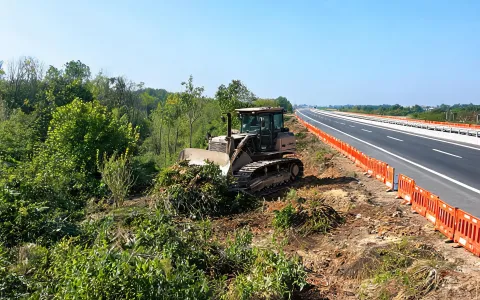
Clear & Grub
Corridor prep before plant yard pads and cold-feed stockpile areas are graded.

Astec ships, commissions and rebuilds the asphalt mixing and concrete batching classes needed for a complete highway, airport runway or municipal street program — from base-course prep through hot-mix loadout and density verification. Project directors typically ask for a single capacity curve that survives rainy-week aggregate moisture, a baghouse CFM headroom note for stack permits, and a silo storage plan that keeps truck cycle times inside the paving window. We answer those three questions before steel is cut, then map drum diameter, burner BTU and cold-feed bin count to the corridor schedule rather than a generic plant brochure.
On airport night pours the constraint is mix temperature hold through MTV handoff; on municipal overlays the constraint is portable foundation pads and quieter burner packages near residential edges. Both still share the same verification path: moisture design → drum class → baghouse media → loadout geometry. Compaction force on the base course and vibration frequency on tandem rollers are treated as adjacent duty cycles so the mat density target is not blamed on the plant after the fact.
Corridor prep before plant yard pads and cold-feed stockpile areas are graded.

Foundation pads for drum plants, cement silos and loadout lanes sized to geotech notes.
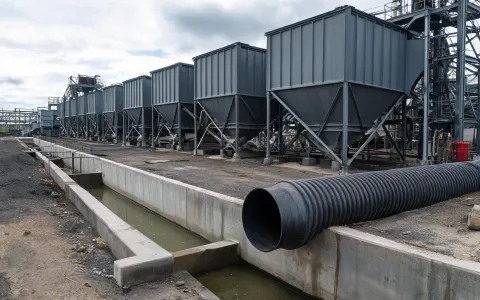
Yard drainage that keeps stockpile moisture from defeating moisture-correction recipes.

Compaction force and drum diameter matched so mat density targets start on a true base.

Continuous drum mix temperature held through paver and MTV handoffs on corridor pours.

Pneumatic and tandem rollers finishing density before night temperature windows close.

Final markings after density gauges clear the mat for traffic return.

Nuclear density checks and as-built surveys close the paving season file.
Single plant PO · single commissioning contract · single stack-permit documentation pack — instead of stitching four equipment vendors together at every change order on a multi-year corridor.
When estimators compare continuous drum mix against tower batch plants for the same highway tonnage, Astec documents both sides: continuous lines win on sustained t/h and lower labor per ton when recipes are stable; batch towers still win when frequent mix changes or RAP spikes dominate the week. We publish the trade-off with moisture derates and baghouse loading curves so procurement managers can defend the choice in an EPC technical meeting without marketing adjectives.